Scale Pan-India Industries: Lock your EBITDA floor and decouple from ₹20Cr–₹200Cr.
Transforming Legacy into Scale

How Did a Founder-Led Jewellery Manufacturing Company Scale from ₹127 Crore to ₹329 Crore in Just 30 Months?
A comprehensive business transformation focused on organizational restructuring, KPI-driven accountability, production excellence, working-capital optimization, market expansion, and leadership alignment helped transform a traditional founder-dependent jewellery enterprise into a scalable, system-driven organization, delivering growth from ₹127 Crore to ₹329 Crore between March 2022 and August 2024.
The Leadership Behind the Transformation
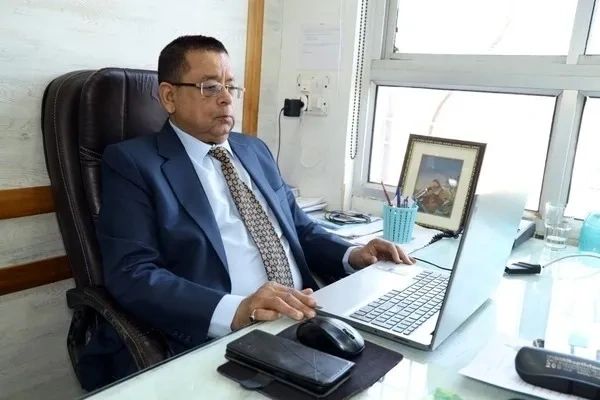
Who Led the ₹127 Crore to ₹329 Crore Business Transformation Journey?
Vipin Srivastava served as the Chief Operating Officer and Transformation Architect behind one of the most significant growth journeys in the jewellery manufacturing sector. By institutionalizing systems, creating KPI-driven accountability, optimizing production, strengthening commercial discipline, and empowering leadership teams, he transformed a traditional founder-led organization into a scalable enterprise. The result was not merely revenue growth from ₹127 Crore to ₹329 Crore—it was the creation of an institution capable of sustaining growth beyond founder dependency through structured execution, operational excellence, and leadership alignment.
Vipin Srivastava didn't just scale revenue. He built the systems, leadership, and execution architecture that made sustainable growth possible.
Business Assessment: Strengths vs. Weaknesses
What Were the Key Strengths and Critical Weaknesses Defining the Business Before the Transformation Journey Began?
Before the transformation initiative commenced in March 2022, the organization possessed several powerful competitive advantages that had enabled it to establish a respected position in the high-end jewellery manufacturing sector. However, these strengths were being offset by significant structural, operational, and leadership challenges that limited scalability and organizational performance.

Organization Strengths
- Exceptional Design Capability and Product Innovation
- Strong Customer Trust and Market Reputation
- Debt-Free Business Model
- Ethical, Transparent, and Relationship-Driven Operations
- Established Presence Across Southern India and Mumbai
- Strong Referral-Based Customer Acquisition
- Skilled Workforce and Craftsmanship Excellence
- High Product Acceptance in Premium Jewellery Segments

Identified Organization Weaknesses
- No Formal Organizational Structure or Reporting Hierarchy
- Absence of KRAs, KPIs, and Performance Accountability Systems
- Founder-Dependent Decision-Making and Operations
- No Departmental Ownership or Leadership Accountability
- HR Function Limited to Recruitment and PayrollLack of Dashboard-Based Monitoring and Governance
- Limited Inbound and Outbound Marketing Activities
- Negligible Digital Presence and Brand Visibility
- Customer and Vendor Account Reconciliation Discrepancies
- Delayed Decision-Making and Operational Bottlenecks
- Toxic Work Environment and Role Ambiguity
- Uncontrolled Production Monitoring and Productivity Tracking
- Misaligned Capex and Opex Planning
- Limited Business Intelligence and Commercial Analytics
Transformation Roadmap

What Was the Turning Point Behind the ₹127 Crore to ₹329 Crore Growth Journey?
The shift from intuition-led management to system-led execution, supported by KPI governance, production optimization, leadership empowerment, and data-driven decision-making.

Organizational Restructuring
Building the Foundation for Accountability & Scale
Actions Taken
✓ Defined Organization Structure
✓ Established Department Heads
✓ Created KRAs & KPIs
✓ Defined Roles & Responsibilities
✓ Introduced Accountability Matrix
✓ Expanded HR Beyond Recruitment & Payroll
✓ Implemented Labour Law & Statutory Compliance
Outcome
Foundation for a performance-driven culture established.
Dashboard & Governance System
Creating Visibility, Control & Data-Driven Leadership
Actions Taken
✓ Department-Wise Dashboards
✓ Individual Employee Login Credentials
✓ Daily Monitoring Systems
✓ Structured Management Reporting
✓ Real-Time Performance Visibility
Outcome
Data-driven decision-making replaced assumption-driven management.
Production Excellence Program
Enhancing Productivity Through Structured Manufacturing
Actions Taken
Manufacturing operations segmented into:
✓ Open Setting Division
✓ Close Setting Division
✓ Temple Jewellery Division
✓ Dedicated HODs for Each Business Unit
✓ Productivity Incentive Programs
✓ Waste Reduction Initiatives
✓ Overtime Monitoring Systems
✓ Best Employee Recognition Programs
Outcome
Production Efficiency Increased by 34%.
Commercial Intelligence Framework
Converting Operational Data into Business Decisions
Actions Taken
✓ Product-Wise Profitability Tracking
✓ Production vs Liquidation Analysis
✓ Sales vs Expense Monitoring
✓ Stock Return Ratio Analysis
✓ CRM Accountability Framework
✓ Sales Calendar & Performance Tracking
Outcome
Business decisions became measurable, commercially aligned, and growth-focused.
Growth Acceleration Roadmap

Growth Accelerated. Scale Followed.
Strategic expansion, execution excellence, and financial discipline powered the journey from ₹127 Crore to ₹329 Crore.
Market Expansion Strategy
How Was the Business Expanded Beyond Traditional B2B Revenue Channels?
Activities
- Transitioned from B2B-only to B2B + B2C + D2C business model
- Introduced appointment-based product showcasing for retail (B2C)
- Established a digital presence to improve brand visibility
- Launched a Shopify-enabled D2C platform
- Implemented structured customer acquisition programs
- Created multiple revenue streams beyond conventional channels
- Reduced dependency on a limited customer base
Strategic Business Development
How Did Strategic Partnerships Accelerate Revenue Growth?
Activities
- Identified and engaged leading jewellery brands across India
- Secured long-term manufacturing mandates
- Expanded through white-label manufacturing partnerships
- Manufactured customer-specific design collections
- Introduced proprietary design offerings
- Strengthened market penetration and order visibility
- Accelerated revenue growth from ₹127 Crore to ₹210 Crore within 12 months
Capacity Expansion
How Was Production Capacity Aligned with Growing Market Demand?
Activities
- Leased an additional 18,000 sq. ft. manufacturing facility
- Expanded infrastructure to support higher production volumes
- Recruited Manual, CAD and ZBrush design specialists
- Strengthened product development capabilities
- Added 60 skilled karigars to the workforce
- Improved demand-supply alignment
- Created a scalable manufacturing ecosystem for future growth
Customer Experience & Working Capital Optimization
How Did Customer-Centric Policies Improve Cash Flow and Business Performance?
Activities
- Introduced a 90-day return and replacement policy
- Enhanced customer confidence and retention
- Strengthened CRM accountability and follow-up systems
- Improved collection and recovery processes
- Reduced payment cycle from 180 days to 60 days
- Improved liquidity and cash flow management
- Enhanced working capital efficiency and financial discipline
Leadership Transformation & Business Impact
How Did Founder Liberation Create a ₹329 Crore Enterprise?
Founder liberation redirected leadership from operational firefighting to strategic value creation. Combined with system-led execution, accountable governance, and empowered teams, it transformed a founder-dependent business into a ₹329 Crore growth enterprise.
Founder Liberation Model
How Was Founder Dependency Replaced with Scalable Leadership?
- Transitioned founders from operational firefighting to strategic leadership
- Reduced involvement in routine approvals and daily decision-making
- Redirected leadership focus toward innovation and growth
- Strengthened departmental ownership and accountability
- Empowered HODs through KPI-driven management systems
- Created a structured leadership hierarchy
- Established system-led decision-making processes
Outcome
- Founder Dependency Significantly Reduced
- Scalable Leadership Structure Established
- Increased Focus on Innovation and Strategic Growth
Final Business Impact
What Measurable Outcomes Were Achieved Between March 2022 and August 2024?
- Revenue Growth: ₹127 Crore → ₹329 Crore
- Production Efficiency Improved by 34%
- Added 18,000 Sq. Ft. Manufacturing Capacity
- Workforce Expanded from 220 to 300+ Employees & Karigars
- Business Model Evolved from B2B to B2B + B2C + D2C
- Payment Cycle Reduced from 180 Days to 60 Days
- Governance Shifted from No KPIs to KPI-Driven Management
- Organization Evolved from Founder-Led to System-Led Operations
- Enhanced Operational Visibility Through Dashboards & Reporting
- Strengthened Commercial Discipline and Cash Flow Management
Outcome
- Revenue Growth Was Achieved
- Scale Was Institutionalized
- Sustainable Growth Architecture Was Established
Key Learning
What Was the Most Important Lesson from This Transformation Journey?
- Businesses do not scale through effort alone
- Sustainable growth requires structured execution
- Accountability drives performance more effectively than supervision
- Systems outperform founder dependency
- Leadership must focus on strategy, not operational bottlenecks
- Technology and dashboards create visibility and control
- Commercial discipline is as important as revenue growth
- People, processes, performance, and profitability must operate together
- Institutionalization creates long-term enterprise value
- Growth becomes sustainable when execution becomes predictable
Strategic Insight
- Revenue Growth Was the Outcome. Institutionalization Was the Legacy.
- The real transformation was not from ₹127 Crore to ₹329 Crore. It was from Founder-Led to System-Led Growth.
